Latest posts
-
Schema Markup for Blog Posts: The 2026 Structured Data Implementation Guide
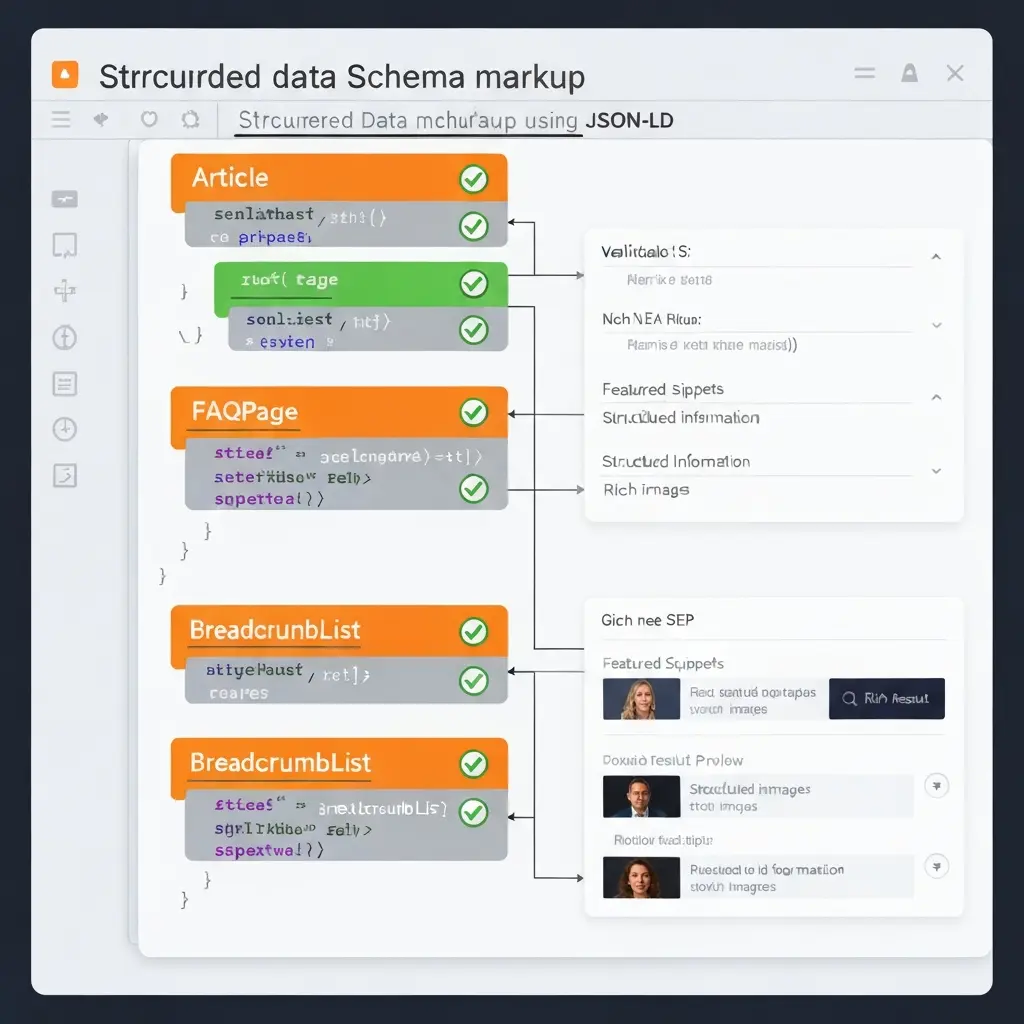
A complete guide to implementing schema markup on blog posts in 2026. Covers Article, FAQPage, HowTo, and BreadcrumbList types, Google’s March 2026 structured data updates, AI Mode citation impact, and how to use a schema markup generator to automate implementation.
-
Structured Data Testing: Validate Schema Markup for Rich Results
Test and validate structured data for rich result eligibility. Learn essential tools, common errors, testing workflows, and automation tips for schema markup maintenance.
-
Google Discover Optimization: Drive Massive Traffic Without Search Queries
Google Discover drives massive traffic without search queries. Learn eligibility requirements, image optimization, headline strategies, and how to measure Discover performance.
-
AI Content Marketing ROI: How to Measure What Actually Works in 2026
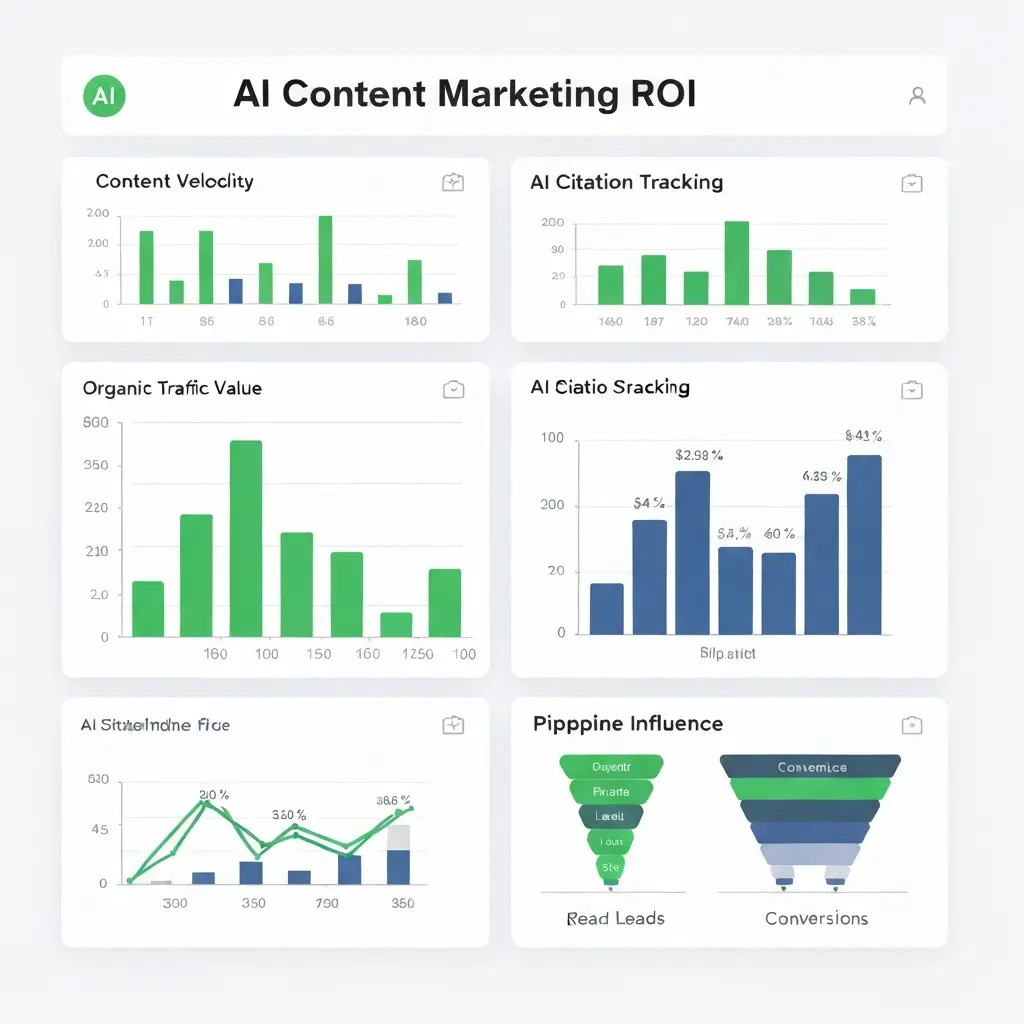
Only 19% of content marketers currently track AI-specific KPIs. This guide covers the complete ROI measurement framework for AI content marketing in 2026 — from velocity metrics to AI citation value — with real benchmarks and the formula for proving ROI to leadership.
-
Content Refresh Cadence: Keep Rankings Fresh and Growing
A systematic content refresh cadence prevents decay and maintains rankings. Learn the refresh framework by content tier, what to update, and how to identify content needing attention.
-
B2B Content Strategy: SEO for Complex Buyer Journeys
B2B content strategy demands multi-persona, multi-stage content across long sales cycles. Learn buyer journey mapping, content types, keyword strategy, and ROI measurement for B2B SEO.
-
CRO for SEO: Optimize Conversions Without Hurting Rankings
CRO and SEO amplify each other. Learn CRO tactics that boost SEO, testing pitfalls to avoid, and how to measure the combined impact on organic traffic conversions.
-
SEO Automation Stack: The Advanced Workflow Guide for 2026
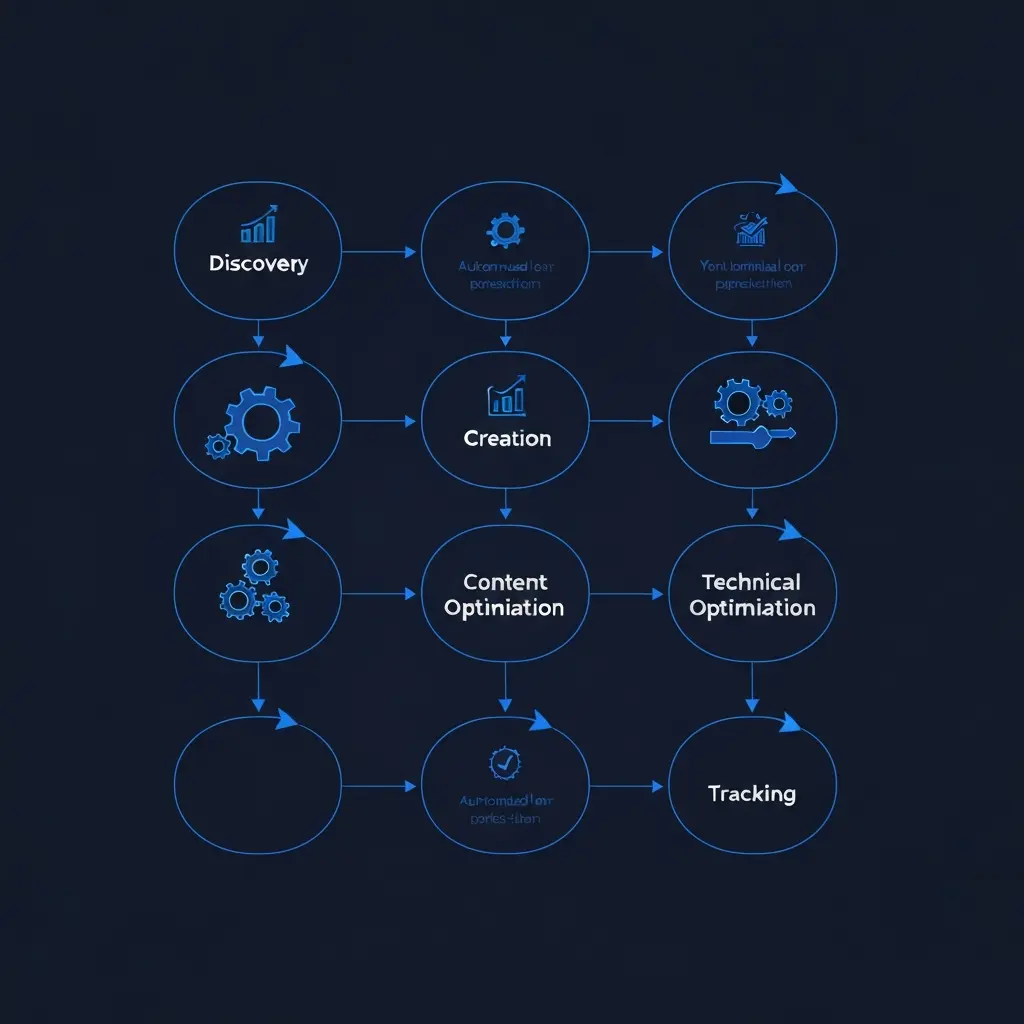
A practitioner’s guide to building an advanced SEO automation stack in 2026. Covers the five-stage workflow, tool selection, AI agents, time savings data, and integration patterns that save 15–25 hours per week.
-
User Engagement Optimization for SEO: Improve Rankings Through UX
User engagement metrics directly influence SEO rankings. Learn to optimize CTR, reduce bounce rate, increase time on page, and drive multi-page sessions for better search performance.