Latest posts
-
Log File Analysis for SEO: How Googlebot Actually Crawls Your Site
Log file analysis shows exactly how Googlebot crawls your site. Learn to access, filter, and analyze server logs for crawl efficiency, error detection, and technical SEO optimization.
-
How to Optimize AI Content for Search Engines (2026 Checklist)
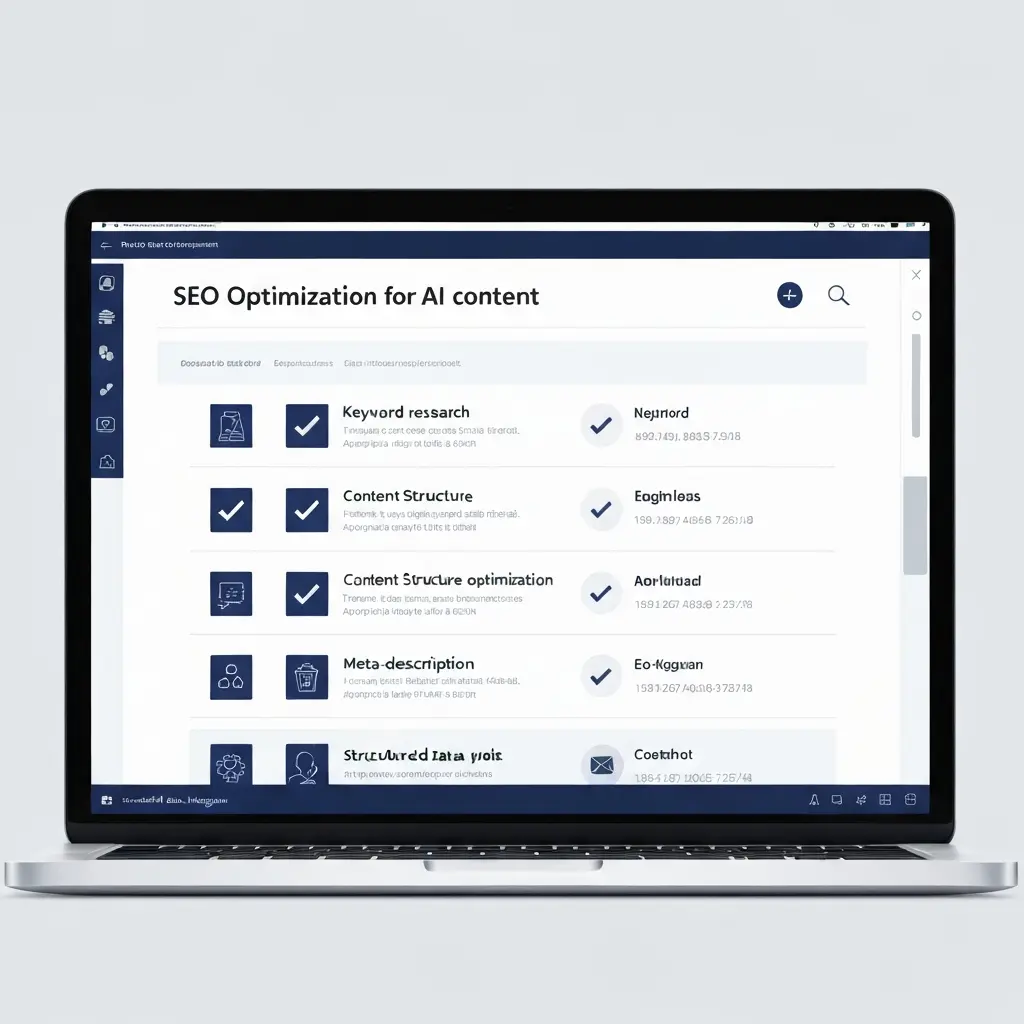
A practical 2026 checklist for optimizing AI-generated content for search engines — covering keyword mapping, heading structure, internal links, schema markup, E-E-A-T signals, and the human editorial pass that separates ranking content from filler.
-
Programmatic SEO 2026: Scale to 10K Pages Without Penalties

Everything you need to know about programmatic SEO in 2026: what it is, how to build a system that scales to thousands of pages, Google’s rules on scaled content, the best tools, and real-world case studies.
-
How to Scale Content Production Without a Team (2026 Solo Playbook)

You don’t need a content team to publish at scale. This 10-step solo playbook shows exactly how to scale content production without a team in 2026 — using AI tools, smart workflows, batching, and automation to output 20+ articles a month on your own.
-
Editorial Workflow Automation: Scale Authority Content Production
Automate editorial workflows for scalable authority building. Stage-by-stage automation opportunities, tools, and implementation approach.
-
Google Algorithm Updates: Preparation, Response, and Recovery Guide
Prepare for and respond to Google algorithm updates. Understand update types, build resilient SEO fundamentals, diagnose ranking drops, and execute recovery strategies for sustained organic traffic.
-
AI Content Marketing 2026: Turn Content Into Revenue
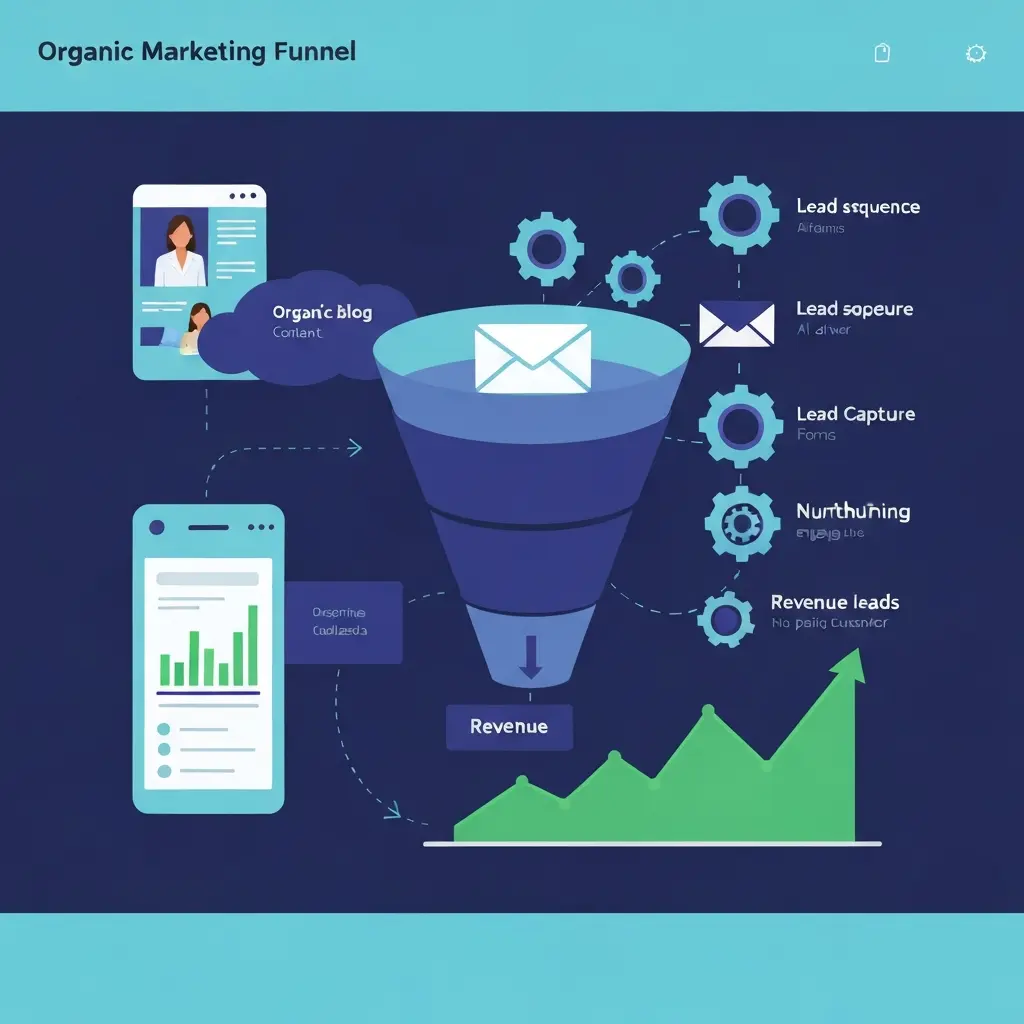
How to build an AI content marketing strategy in 2026 that generates consistent organic traffic, qualified leads, and compounding ROI — with real data, workflow templates, and tool recommendations.
-
SEO Automation: The Complete 2026 Playbook for Solo Operators & Small Teams

SEO automation in 2026 is no longer just for enterprise teams. This playbook shows solo operators and small teams exactly what to automate, what tools to use, and which tasks to keep human — with real implementation examples.