Latest posts
-
AI Content Generator vs Human Writer: Which Is Better for SEO in 2026?

AI content generator vs human writer: a side-by-side comparison across 8 dimensions — quality, cost, speed, SEO performance, and more — with scenario-based recommendations for 2026.
-
Is AI-Generated Content Good for SEO in 2026? (Honest Answer + Data)
Google does not penalize AI-generated content by default — but it aggressively demotes low-value AI content. Here is what the 2026 data actually shows, what Google’s official position is, and how to use AI content that ranks.
-
How Does AI SEO Content Generation Work? (2026 Under-the-Hood Guide)
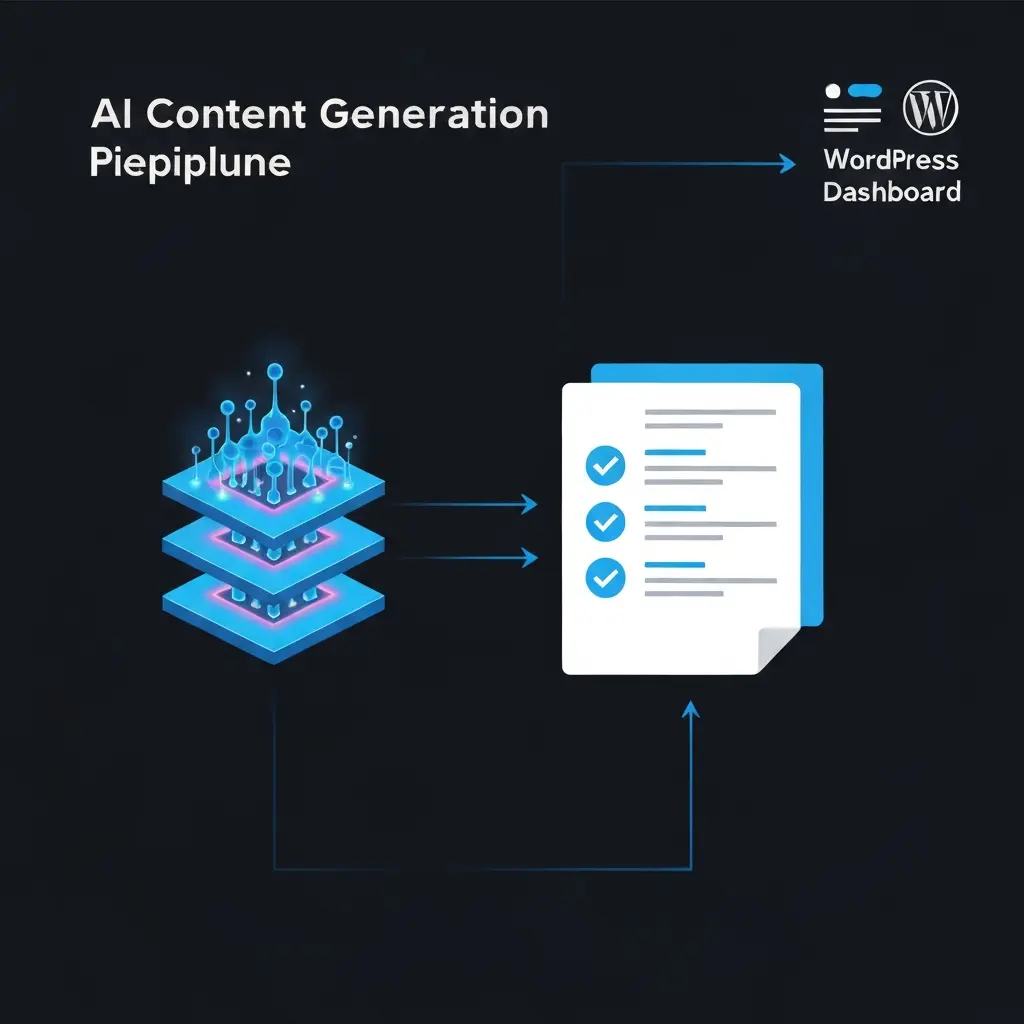
A technical breakdown of how AI SEO content generation works in 2026 — covering LLMs, RAG, prompt engineering, keyword overlays, internal linking, and the human review layer that separates ranking content from thin output.
-
Can AI Replace Content Writers for SEO in 2026? (Research-Backed Answer)

Can AI replace content writers for SEO in 2026? We analyze what the research actually says — where AI excels, where humans still win, and the hybrid workflow that drives real results.
-
Best Automated SEO Tools Compared in 2026 (Top 10 Ranked)
A ranked comparison of the 10 best automated SEO tools in 2026. Evaluated on automation depth, AI integration, scheduling, and reporting — with a clear recommendation for each use case.
-
Keyword Cannibalization and Content Pruning Audit: The 2026 Definitive Playbook
Keyword cannibalization is silently suppressing rankings on thousands of sites in 2026. When two or more of your pages compete for the same search intent, Google splits its ranking signals between them — and you get weaker positions on both. This definitive playbook shows you how to identify cannibalization, run a full content pruning audit,…
-
Technical SEO Audit and Core Web Vitals Optimization: The 2026 Complete Guide
A technical SEO audit in 2026 goes beyond crawlability checks and meta tag validation. It now encompasses Core Web Vitals (LCP, CLS, INP), mobile-first indexing, crawl budget, hreflang, and AI crawlability. This complete guide gives you a step-by-step 50-point checklist, the exact metrics that matter, and the tools to fix every issue you find.
-
SEO Migration Planning: Preserve Rankings During Site Changes
Plan and execute SEO migrations that preserve organic performance. Pre-migration documentation, redirect mapping, execution checklist, post-migration monitoring, and how to avoid common migration failures.
-
Content Quality Signals: What Search Engines Really Measure
Understand and optimize for the content quality signals that determine search rankings. Depth, expertise, UX, freshness, and systematic quality improvement processes.
-
Google AI Overviews SEO: The Complete Optimization Guide for 2026
AI Overviews now appear on 25%+ of all Google searches. This complete guide shows you exactly how to optimize your content to get cited in AI Overviews — and why appearing there beats ranking #1.